Artificial Intelligence, or AI, is rapidly transforming the global job market, automating routine tasks, and reshaping various industries. While AI offers significant benefits, it also poses challenges, particularly in terms of job displacement. According to the World Economic Forum’s Future of Jobs Report 2023, although uncertain, nearly 83 million jobs are projected to be displaced within the next 5 years due to technological advancements whilst around 69 million jobs are projected to be created.
Jobs that heavily rely on repetitive tasks, data processing, and basic analytics are the most vulnerable. According to the Future of Jobs Report 2023, jobs that are expected to decline fastest throughout the world are clerical or secretarial roles, including data entry clerks, Bank tellers and related clerks, postal services clerks, cashiers, and ticket clerks. Additionally, roles in manufacturing and some aspects of customer services are increasingly being handled by AI systems. In manufacturing, the adoption of AI-powered robots has led to a 20% reduction in human labor needs. The banking sector has seen a 30% increase in efficiency through AI-driven chatbots and automated processes, reducing the demands for traditional customer service roles. In the retail industry, AI-based inventory management systems have cut down manual stock-taking jobs by nearly 40%.
Unlike humans, AI has higher efficiency and productivity with its ability to process large amounts of data quickly and accurately. AI can also automate routine tasks significantly without fatigue and thus ensure continuous operation whilst reducing operational costs. Despite these advantages, AI has notable limitations, particularly in areas requiring human-specific skills which includes the following: social and emotional intelligence, creativity and innovation, complex problem-solving and ethical judgement.
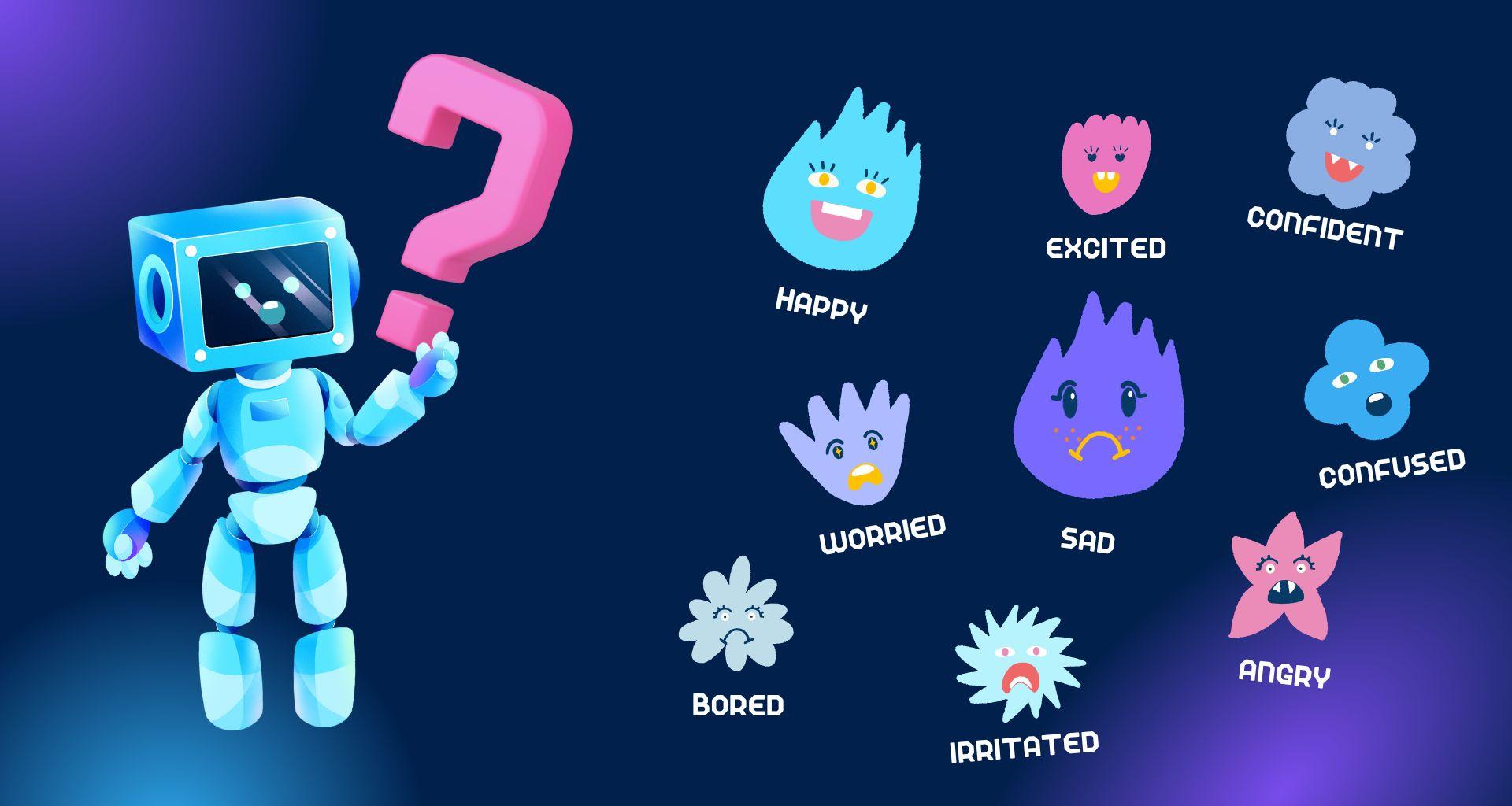
Social and Emotional Intelligence
Emotional Intelligence is defined by the ability to understand and manage one’s own emotions and to emphasize with others. Whilst AI are capable of simulating responses that mimic empathic behaviors, these responses are based on algorithms and data patterns. Current AI lacks the ability to express genuine emotional experiences and consciousness that drive empathy. Social intelligence is defined as the ability to understand one’s own and others’ actions. Social skills and knowledge are refined through social interactions and require the comprehension of complex, nuanced communication such as verbal and non-verbal cues, sarcasm, body language, facial expressions, etc. Both of these types of intelligence are best learned and developed through interacting with other people in social settings and require the ability to process complex social and emotional cues.
The service sector is a prime example of where human-centric skills are crucial. Roles in healthcare, education, and hospitality require a high degree of empathy, emotional support, cultural sensitivity, and interpersonal communication – qualities that AI cannot replicate. For instance, a therapist not only provides mental health treatment but also builds a trusting relationship with clients, which is beyond AI’s capabilities.
Creativity and Innovation
AI can analyze data and generate content based on existing patterns, but the spark of an original thought and the ability to innovate are unique to humans. Skills in creativity are essential in fields such as arts, design, marketing, and research. For instance, a Marketing/ Campaign Specialist comes up with ideas for campaigns that resonate with human emotions and nuances, which AI cannot fully grasp.
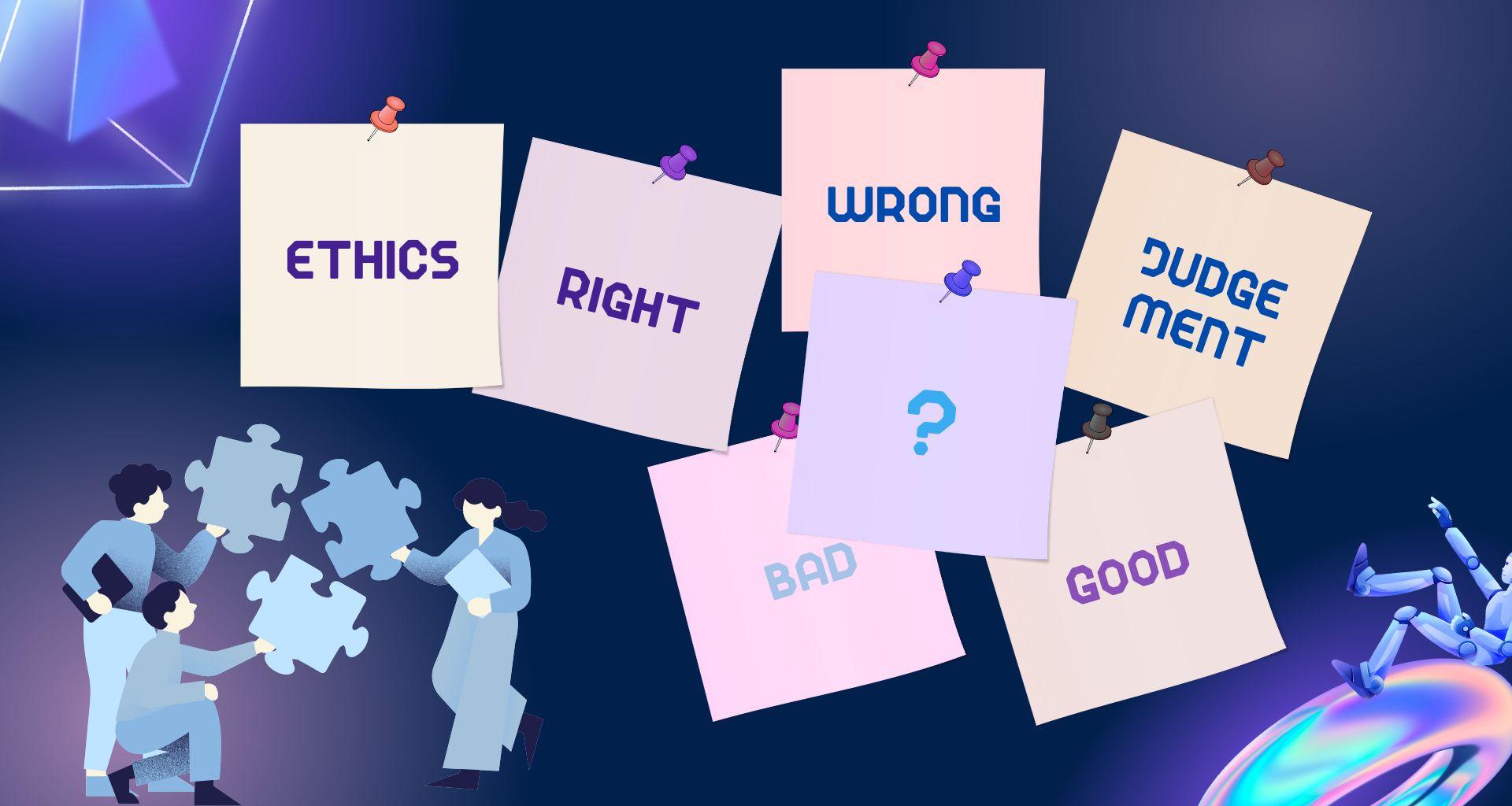
Complex Probblem-Solving and Ethical Judgement
AI is adept at solving specific problems within defined parameters, but it struggles with complex, ambiguous situations that require holistic understanding and adaptive thinking. Jobs that involve strategic decision-making, crisis management, and ethical judgements are less likely to be automated. This is evident in sectors like business management, legal professions, and public administration, where leaders must make strategic decisions whilst weighing multiple variables and potential outcomes and navigate complex social, economics, and political landscapes.
Utilizing AI in analyzing vast data sets can help make more informed decisions, but there are ethical concerns with the technology including issues with transparency, fairness, and accountability. Machine learning models learn from past data, and if the data is biased, the AI system may perpetuate and exacerbate existing biases. Judges, for example, make rulings based on nuanced interpretations of the law and ethical considerations, which AI lacks the moral framework to execute.
Thailand’s Adaptation to AI
Thailand is actively embracing and adapting to AI to enhance economic growth while ensuring the workforce is prepared for future challenges. The Thai government’s Thailand 4.0 policy aims to transform the economy through technological innovation. The policy emphasizes the integration of AI in key industries like manufacturing, agriculture, and tourism to boost productivity and innovation.
Within the next few years, with the incorporation of technologies, Thailand is expected to see an increase in job creations in the fields of big-data analytics, climate-change mitigation technology, encryption and cybersecurity, environmental management technologies, digital platforms and applications, artificial intelligence, and cloud computing, ordered from most to least (The Future of Jobs Report, 2023). Additionally, jobs predicted to be affected positively include Data Analysts and Scientists, Digital Transformation Specialists, Business Development Professionals, Project Managers. This means that there are more of these jobs that are projected to be growing. Jobs that may be impacted negatively include Administrative/ Executive Secretaries, Accounting/ Bookkeeping/ Payroll Clerks, Assembly and Factory Workers, and Accountants and Auditors. The report predicts that these jobs may decline in the future. (See The Future of Jobs 2023 by The World Economic Forum for more information).
Conclusion
While AI will continue to transform the job market, certain human skills remain irreplaceable. For Thailand, the key lies in leveraging AI to enhance productivity while investing in the development of human-centric skills. By doing so, Thailand will be able to create a resilient workforce capable of thriving in an AI-driven future.
Planning your next hire?
Speak with our Bangkok-based recruitment team for practical guidance on talent, search and workforce solutions.
Get this resource